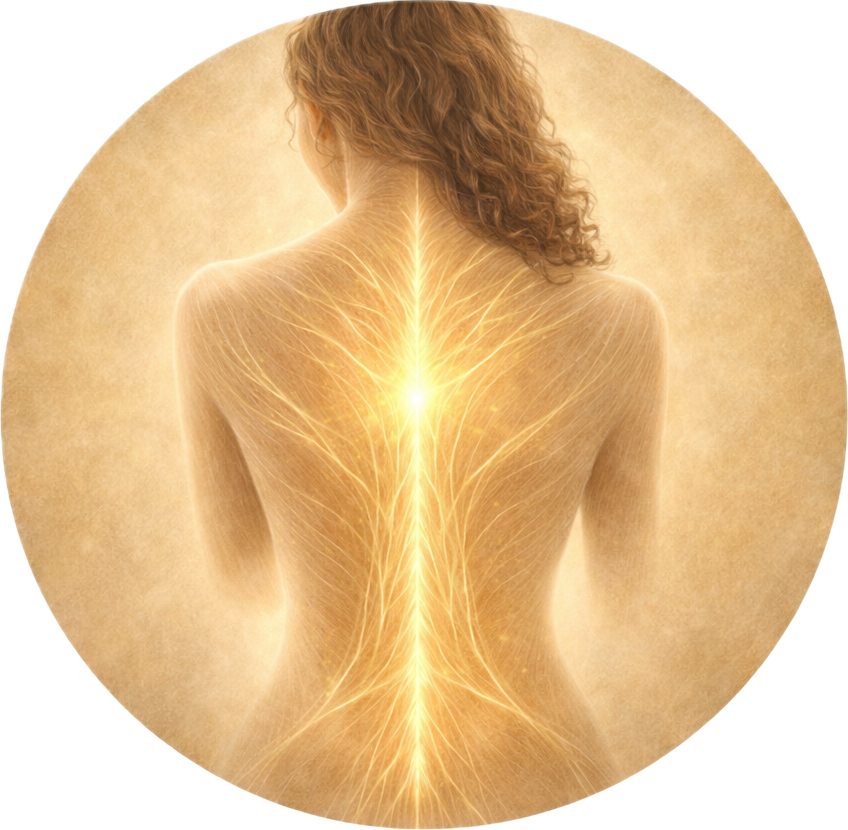
Myofascial Release Therapy
-
Myofascial Release Therapy is a gentle, hands-on approach that works with the body’s fascia — the connective tissue web that surrounds and supports every muscle, bone, organ, and nerve. When fascia becomes restricted through injury, stress, or emotional holding, it can create tension, pain, and imbalance throughout the body.
The John F. Barnes Method of Myofascial Release uses sustained, gentle pressure and presence to invite these restrictions to soften and release. Rather than forcing change, the work honors the body’s natural timing, allowing layers of tension to unwind at their own pace.
As the fascia opens, the nervous system can calm, circulation may improve, and the body can begin to restore balance and alignment. Many clients describe a sense of lightness, melting, and deep connection — as if the body is reorganizing from the inside out. Beyond relieving pain and improving mobility, this therapy often supports emotional release, nervous system regulation, and a deeper sense of wholeness.
-
The roots of Myofascial Release Therapy as taught by John F. Barnes, PT, grew from decades of clinical practice, curiosity, and a willingness to look beyond traditional models of healthcare. Barnes recognized that fascia — the body’s continuous web of connective tissue — plays a vital role in pain, movement, and healing. When this system becomes restricted through trauma, surgery, inflammation, or emotional holding, it can create patterns of tension that affect the whole person.
Philosophically, Barnes’ work rested on the understanding that the body holds memory and wisdom, and that true healing cannot be forced. Instead, it requires presence, patience, and deep listening. By applying sustained, gentle pressure, the therapist invites the fascia to soften in its own time — creating space for the nervous system to shift out of defense and for the body’s innate healing intelligence to emerge.
At its core, this approach honors the wholeness of body, mind, and spirit. Myofascial Release is not just about easing pain or restoring mobility, but about returning to a state of flow, balance, and connection. It is work that trusts the body’s story, welcomes emotional release, and supports each person in coming home to themselves.
-
Myofascial restrictions resulting from trauma, surgery, or chronic inflammation can create tremendous, often hidden pressure on the body’s pain-sensitive structures. Estimates suggest these restrictions can generate tensile forces reaching of up to 2,000 pounds per square inch (psi). This immense pressure can act like a “straightjacket” around muscles, nerves, and organs, limiting movement and contributing to pain and dysfunction throughout the body.
The John F. Barnes Method of Myofascial Release uses sustained, gentle pressure to help soften and release these restrictions so the body can return to its natural alignment and flow. Barnes described the benefits as not only physical, but also emotional and energetic — supporting a return to presence, balance, and inner peace.
Research and clinical studies suggest that Myofascial Release Therapy may help with:
• Reducing chronic pain (including fibromyalgia, low back pain, and headaches)
• Increasing range of motion and flexibility
• Improving posture and movement efficiency
• Decreasing muscle and joint tension
• Supporting nervous system regulation and stress reduction
• Enhancing overall well-being and quality of life
Clients often describe the experience as a sense of melting, lightness, and deep connection — as if the body were reorganizing from the inside out.
-
Each session begins with a conversation about your needs, goals, and any areas of concern. From there, you’ll be invited to lie comfortably on the treatment table. Unlike traditional massage, Myofascial Release is performed without oils or lotions, so you can wear loose, comfortable clothing such as shorts and a tank top.
During the session, gentle, sustained pressure is applied to areas of restriction. The touch is never forceful— instead, I wait for the tissue to soften, allowing layers of tension to release in their own time. You may notice sensations such as warmth, tingling, gentle stretching, or even a deep sense of melting as the fascia begins to unwind.
Because fascia stores not only physical tension but also emotional memory, you may experience emotions, images, or memories surfacing during the work. This can be a natural part of the healing process. Some clients feel lighter, more open, and deeply relaxed afterward; others notice gradual improvements in the days that follow as the body continues to integrate the changes.
Another unique aspect of this approach is that sessions are usually offered in quiet. John F. Barnes, the founder of this method, taught that talking or staying in “thinking mode” during treatment can interrupt the deeper healing process. When we step out of the intellectual, problem-solving mind and into a more feeling-based awareness, the body has space to release what it has been holding. Silence allows you to stay connected to that deeper place — supporting not only physical release, but also emotional and energetic unwinding.
Every session is unique, guided by what your body needs in the moment. The process is gentle, safe, and deeply supportive — an invitation to let go, restore balance, and reconnect with yourself.
For your comfort and ease of movement, here are some clothing suggestions:
• Minors: shorts and a tank top or sports bra
• Women: bra and underwear, loose stretchy shorts with a sports bra or tank top, or a two-piece bathing suit
• Men: boxers or athletic shorts
-
My approach to Myofascial Release is grounded in patience, presence, and respect for the body’s natural rhythms. In each session, you’ll rest comfortably on the table as I use gentle, sustained holds and stretches that follow the natural direction of your tissues. This is not a technique of force — it is an invitation for your body to soften, release, and restore balance in its own time.
I serve as a facilitator, creating a safe space for your body’s own healing intelligence to emerge. My role is to guide and support you — helping you reconnect with the body’s natural ability to heal — while listening closely to the tissues, the breath, and the subtle ways your body communicates.
As the work unfolds, you may notice warmth, gentle lengthening, or spontaneous movement as old patterns begin to unwind. By allowing the body to lead the process, this therapy not only eases physical restrictions but also supports the nervous system, encouraging deeper calm, greater mobility, and a renewed sense of wholeness.
A Gentle Reminder: The Importance of Silence
Silence is an important part of Myofascial Release. John F. Barnes, PT—the founder of this approach—taught that true healing happens when we shift from thinking into feeling, moving into what he called “Channel Three,” a state of awareness where genuine release can occur.
In quiet, you can turn inward and notice the subtle sensations in your body, allowing a deeper awareness to unfold. In silence, the body has space to let go of control and release long-held patterns, allowing healing to happen. A quiet, supported space creates a safe environment, inviting both body and mind to soften into trust.
While most of the session is best experienced in quiet, talking can have its place when it is purposeful. Gentle reminders such as “soften, melt, and let go” or short reflections to guide your awareness may arise.
But the heart of the work comes through silence and feeling.
“Never force, never push. Let the body lead and it will show you the way.”
— John F. Barnes